
Many couples struggling with infertility can be emotionally and physically challenging, but modern reproductive medicine offers hope. Intracytoplasmic Sperm Injection (ICSI) is an advanced fertility treatment that has helped countless couples achieve their dream of parenthood. ICSI is a specialized form of IVF that helps overcome male and female infertility factors and significantly improves the chances of fertilization. If you’re considering ICSI treatment in Hinjewadi or nearby areas, understanding the procedure, success rates, costs, and benefits is essential
Let’s understand ICSI in a simple and clear way.
What Is ICSI Treatment?
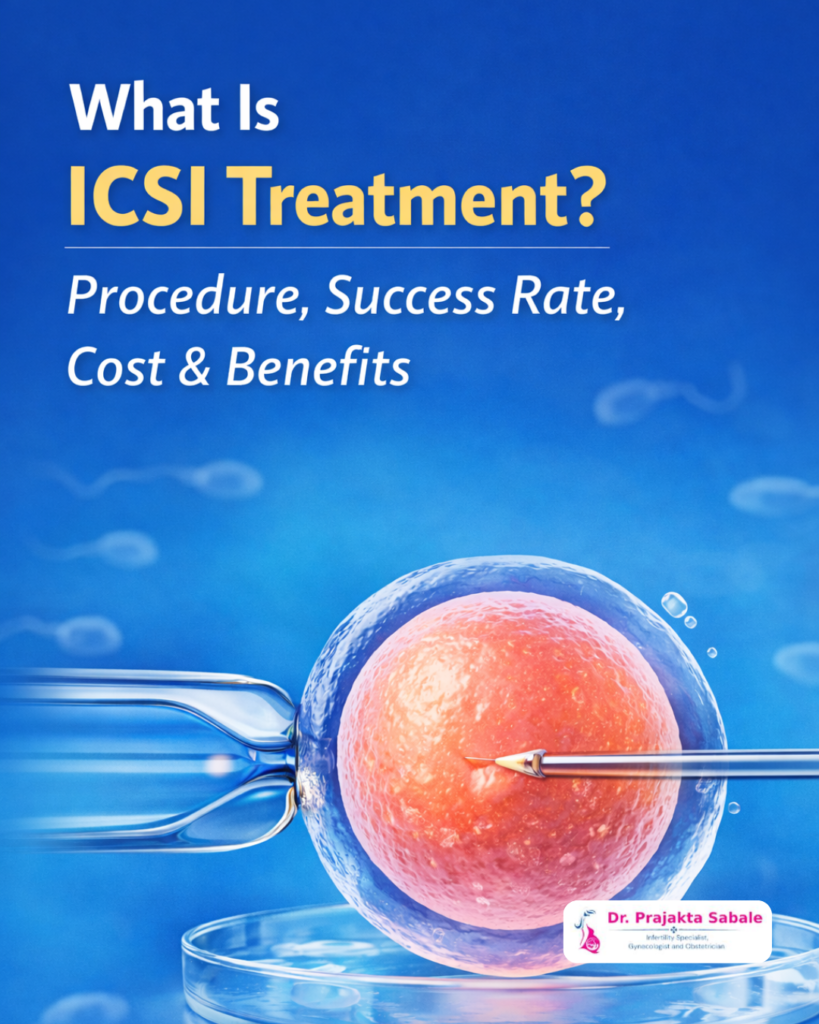
ICSI (Intracytoplasmic Sperm Injection) is an advanced fertility treatment in which a single healthy sperm is directly injected into a mature egg using a special microscopic needle. This process increases the chance of fertilization, especially in cases where natural fertilization or conventional IVF may not be successful.
Unlike natural conception or standard IVF (where sperm and egg are placed together), ICSI involves direct injection, making it highly effective for severe male infertility and complex fertility conditions.
At fertility centres in Hinjewadi, Pune, ICSI treatment is commonly recommended for couples struggling with infertility and repeated IVF failures.
Who Needs ICSI Treatment?
ICSI is usually recommended in the following conditions:
Male Infertility Factors:
- Low sperm count (oligospermia)
- Poor sperm motility (asthenospermia)
- Abnormal sperm morphology (teratospermia)
- Blockages preventing sperm release
- Previous vasectomy or sperm retrieval required
- Antisperm antibodies affecting fertility
Female Infertility Factors:
- Thick egg coating preventing natural fertilization
- Small number of eggs retrieved during IVF
- Previous IVF failures with conventional methods
Other Indications:
- Use of frozen sperm with limited quantity
- Genetic testing requirements (PGT)
- Unexplained infertility after multiple IVF attempts
Step-by-Step ICSI Procedure
Understanding the process can reduce anxiety and help couples feel more prepared.
Ovarian Stimulation
The woman receives hormone injections for about 8–12 days to stimulate the ovaries to produce multiple eggs instead of just one. Regular scans and blood tests monitor growth.
Egg Retrieval
When the eggs are ready, they are collected through a minor procedure under sedation. It usually takes 20–30 minutes, and the patient can go home the same day.
Sperm Collection
A sperm sample is collected from the male partner. If needed, sperm may be retrieved surgically through procedures like TESA or PESA.
The ICSI Process
In the lab, an embryologist selects a single healthy sperm and injects it directly into each mature egg. This precise technique gives the egg the best chance to fertilize.
Embryo Development
Fertilized eggs (embryos) are monitored for 3–5 days. The healthiest embryos are selected for transfer.
Embryo Transfer
One or more good-quality embryos are gently placed into the uterus using a thin catheter. This step is simple and usually painless.
Pregnancy Test
After about two weeks, a blood test confirms whether pregnancy has occurred.
ICSI Success Rate
ICSI has improved fertilization outcomes significantly, especially in male infertility cases.
- The success rate of ICSI depends on several factors such as:
- Age of the woman
- Egg quality
- Sperm quality
- Uterine health
- Lifestyle factors
- Underlying medical conditions
Average Success Rates:
- Women below 35 years: 50–60% per cycle
- Women between 35–40 years: 35–45% per cycle
- Women above 40 years: 20–30% per cycle
With proper diagnosis, personalized treatment planning, and expert care, clinics in Hinjewadi, Pune offering ICSI treatment achieve encouraging success outcomes.
Cost of ICSI Treatment
The cost of ICSI treatment varies based on several factors including location, clinic reputation, required medications, and additional procedures.
ICSI Treatment Cost Breakdown:
Average Cost Range in India: ₹1,50,000 to ₹2,50,000 per cycle
Cost Components:
- Initial consultation and diagnostic tests: ₹10,000 – ₹20,000
- Ovarian stimulation medications: ₹30,000 – ₹60,000
- Egg retrieval procedure: ₹20,000 – ₹30,000
- ICSI procedure: ₹30,000 – ₹50,000
- Embryo culture and development: ₹15,000 – ₹25,000
- Embryo transfer: ₹10,000 – ₹15,000
- Laboratory charges: ₹20,000 – ₹30,000
Additional Costs May Include:
- Sperm retrieval procedures (TESA/PESA): ₹20,000 – ₹40,000
- Embryo freezing and storage: ₹15,000 – ₹30,000 per year
- Preimplantation genetic testing: ₹50,000 – ₹1,00,000
- Frozen embryo transfer: ₹40,000 – ₹60,000
When consulting with fertility specialists in Hinjewadi, it’s advisable to discuss all potential costs upfront and explore any available payment plans or financing options.
——————————————————————————————————————————-
Benefits of ICSI Treatment
ICSI has revolutionized fertility treatment and offers numerous advantages:
1. Higher Fertilization Rates
ICSI significantly increases fertilization rates, especially in cases of severe male infertility. Fertilization rates typically range from 70-80% with ICSI compared to 50-60% with conventional IVF.
2. Overcomes Male Infertility
ICSI is particularly effective for men with low sperm count, poor motility, or abnormal morphology. Even with very few viable sperm, pregnancy is possible.
3. Uses Surgically Retrieved Sperm
Men with obstructive azoospermia can father biological children using sperm retrieved directly from the testicles or epididymis.
4. Reduces Fertilization Failure
By directly injecting sperm into the egg, ICSI eliminates many barriers to fertilization that occur in conventional IVF.
5. Genetic Testing Compatibility
ICSI is ideal when preimplantation genetic testing (PGT) is required, as it prevents contamination from excess sperm during biopsy.
6. Works with Frozen Sperm
ICSI is effective even with previously frozen sperm samples, providing flexibility for treatment planning.
7. Hope After Failed IVF
Couples who have experienced failed fertilization with conventional IVF often achieve success with ICSI.
8. Precise Control
The procedure allows embryologists to select the best quality sperm, giving couples the highest chance of success.
———————————————————————————————————-
ICSI vs. IVF: What’s the Difference?
While ICSI is a form of IVF, there are key differences:
Conventional IVF:
- Eggs and sperm are mixed together in a laboratory dish
- Fertilization happens naturally
- Suitable when sperm quality is normal
- Generally less expensive
ICSI:
- A single sperm is injected directly into each egg
- Fertilization is assisted manually
- Recommended for male factor infertility
- Slightly higher cost due to specialized technique
Dr. Prajakta Sabale evaluates each couple’s specific situation to recommend the most appropriate treatment approach in Hinjewadi.
——————————————————————————————————–
Risks and Considerations
While ICSI is generally safe, it’s important to understand potential risks:
- Multiple pregnancy risk if multiple embryos are transferred
- Ovarian hyperstimulation syndrome (OHSS) from fertility medications
- Egg retrieval complications (rare), including bleeding or infection
- Slightly increased risk of certain genetic conditions (though still very low)
- Emotional and financial stress from treatment cycles
Working with an experienced fertility specialist minimizes these risks through careful monitoring and personalized protocols.
——————————————————————————————————————
Preparing for ICSI Treatment
For Women:
- Take prescribed prenatal vitamins including folic acid
- Maintain a healthy weight (BMI 18.5-25)
- Avoid smoking and alcohol
- Manage stress through yoga, meditation, or counseling
- Get adequate sleep and exercise regularly
- Follow medication schedules precisely
For Men:
- Avoid smoking, alcohol, and recreational drugs
- Maintain a healthy lifestyle with regular exercise
- Avoid hot tubs, saunas, and tight underwear
- Take antioxidant supplements if recommended
- Reduce stress levels
- Abstain from ejaculation 2-5 days before sperm collection
Life After ICSI: What to Expect
After embryo transfer, you’ll need to:
- Rest for 24-48 hours (bed rest not mandatory)
- Continue prescribed medications (progesterone support)
- Avoid heavy lifting and strenuous exercise
- Stay hydrated and eat nutritious foods
- Manage stress and stay positive
- Attend follow-up appointments as scheduled
The two-week wait before the pregnancy test can be emotionally challenging. Having support from your partner, family, or support groups can be invaluable during this time.
Why Choose Hinjewadi for ICSI Treatment?
Hinjewadi has emerged as a healthcare hub with modern fertility clinics offering world-class facilities. When selecting a fertility specialist in Hinjewadi, consider:
- Qualifications and experience of the fertility team
- Success rates and patient testimonials
- Laboratory standards and technology
- Personalized care and emotional support
- Transparent pricing and clear communication
- Accessibility and convenience
Dr. Prajakta Sabale brings extensive experience in reproductive medicine to Hinjewadi, offering comprehensive fertility solutions with a patient-centered approach. Her expertise in ICSI treatment has helped numerous couples overcome infertility challenges.
Frequently Asked Questions About ICSI
Q: Is ICSI painful? A: The ICSI injection itself is performed on eggs in the laboratory, so you won’t feel it. The egg retrieval is done under sedation, causing minimal discomfort. Most women report mild cramping after the procedure.
Q: How long does the entire ICSI process take? A: From starting ovarian stimulation to embryo transfer, the process takes about 4-6 weeks. However, preparation and follow-up extend this timeline.
Q: Can ICSI guarantee pregnancy? A: While ICSI significantly improves fertilization rates, it cannot guarantee pregnancy. Success depends on multiple factors including egg quality, embryo development, and uterine receptivity.
Q: Are ICSI babies different from naturally conceived babies? A: No, children conceived through ICSI develop normally and are no different from naturally conceived children. Long-term studies confirm their health and development are comparable.
Q: How many ICSI cycles should we try? A: Most specialists recommend up to 3-4 cycles before exploring other options. This decision should be made in consultation with your fertility doctor based on individual circumstances.
Q: Can we choose the baby’s gender with ICSI? A: While technically possible through genetic testing, sex selection for non-medical reasons is illegal in India.
Conclusion
ICSI treatment has transformed fertility care, offering hope to couples facing severe male infertility and other reproductive challenges. With success rates of 40-50% for women under 35 and proven benefits in overcoming fertilization barriers, ICSI represents a powerful solution for many couples.
Understanding the procedure, realistic success rates, costs ranging from ₹1.5-2.5 lakhs per cycle, and benefits helps you make informed decisions about your fertility journey. When considering ICSI treatment in Hinjewadi, choosing an experienced specialist like Dr. Prajakta Sabale ensures you receive personalized care backed by advanced technology and expertise.
If you’re struggling with infertility, remember that you’re not alone, and effective treatments are available. Take the first step by scheduling a consultation with a fertility specialist to discuss whether ICSI is right for you.
Ready to start your fertility journey?
Contact Dr. Prajakta Sabale Gynecologist in Hinjewadi Pune, for a comprehensive fertility evaluation and personalized ICSI treatment plan. With compassionate care, cutting-edge technology, and proven expertise, Dr. Sabale helps couples achieve their dream of parenthood.
Schedule your consultation today and take the first step toward building your family.
Disclaimer: This blog is for informational purposes only and should not replace professional medical advice. Individual results may vary. Always consult with a qualified fertility specialist for personalized treatment recommendations.