
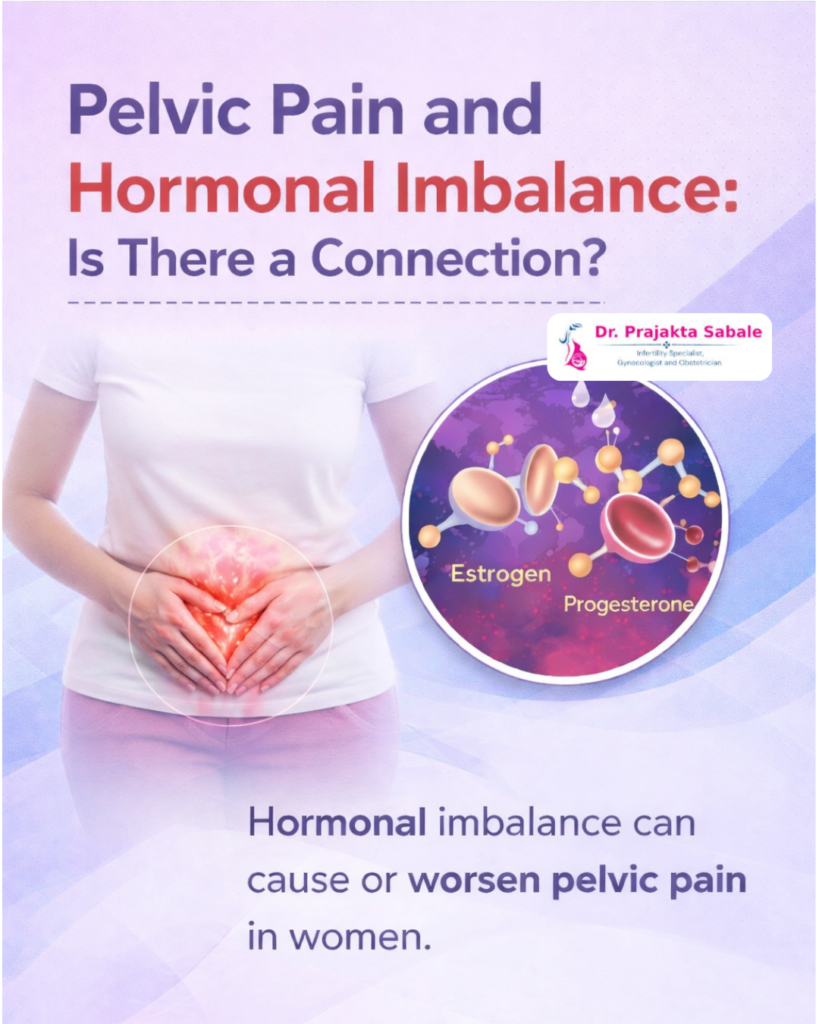
Pelvic pain is a common concern among women and can range from mild discomfort to persistent or severe pain. While pelvic pain has many possible causes, hormonal imbalance is an important factor that is often overlooked. Understanding the connection between hormones and pelvic pain can support early diagnosis and timely treatment. If you are experiencing ongoing pelvic pain or related symptoms, it is important to consult a gynecologist near you for proper evaluation and appropriate care.
How Hormones Affect Pelvic Health
Hormones like estrogen and progesterone play a vital role in regulating the menstrual cycle, ovulation, and overall reproductive health. When these hormones are imbalanced, they can affect the uterus, ovaries, and surrounding pelvic structures, sometimes leading to pain or discomfort.
Hormonal fluctuations can cause inflammation, abnormal uterine contractions, or changes in ovarian function, all of which may contribute to pelvic pain.
Common Conditions Linking Hormones and Pelvic Pain
Several gynecological conditions related to hormonal imbalance can cause pelvic pain, including:
-
Endometriosis: Excess or abnormal estrogen activity can cause uterine tissue to grow outside the uterus, leading to chronic pelvic pain.
-
Polycystic Ovary Syndrome (PCOS): Hormonal imbalance in PCOS can cause ovarian cysts, irregular periods, and pelvic discomfort.
-
Menstrual Disorders: Heavy, painful, or irregular periods are often linked to hormonal irregularities.
-
Ovarian Cysts: Hormonal changes can affect ovulation and lead to cyst formation, which may cause pelvic pain.
-
Premenstrual Syndrome (PMS): Hormonal shifts before periods can result in cramping, bloating, and pelvic pain.
Signs That Hormones May Be the Cause
Pelvic pain related to hormonal imbalance may be associated with:
-
Irregular or missed periods
-
Painful menstruation
-
Heavy menstrual bleeding
-
Pain that worsens around the menstrual cycle
-
Mood changes, acne, or unexplained weight changes
If pelvic pain follows a cyclical pattern, hormones may be playing a role.
When to See a Gynecologist
You can consult a gynecologist in Hinjewadi if:
-
Pelvic pain is persistent or worsening
-
Pain interferes with daily activities
-
Periods are very painful or irregular
-
Pain occurs outside of menstruation
-
You are planning pregnancy and experiencing pelvic discomfort
Early medical evaluation helps identify the cause and prevents long-term complications.
Diagnosis and Treatment
Your gynaecologist may recommend:
-
Hormonal blood tests
-
Ultrasound or imaging studies
-
Lifestyle and dietary changes
-
Hormonal medications
-
Pain management strategies
-
Treatment of underlying conditions like PCOS or endometriosis
Treatment is personalized based on symptoms, age, and reproductive goals.